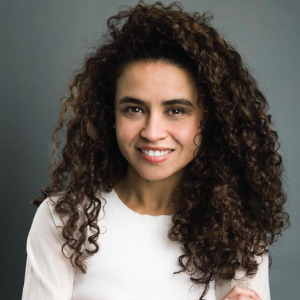
Dr. Dragan is the recipient of the American Academy of Periodontology Foundation Tarrson Fellowship award, given to an outstanding periodontist for research. She has also received the Presidential Citation from the American Dental Education Association and was honored with the Tufts University Provost’s Award for Outstanding Teaching Service. The interdisciplinary team she led at TUSDM was honored by the Academy of Osseointegration with the Applied Clinical Science Research. Most recently, she received the Massachusetts Dental Society “10 Under 10” award for her contributions to the field of periodontology. Her clinical practice is limited to periodontology and implant dentistry at The Perio Studio, in downtown Boston, MA.
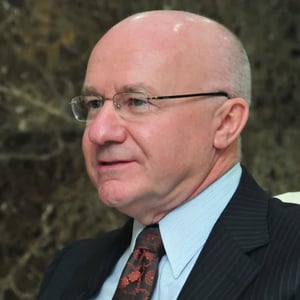
David Alexander’s career pathway has included and pivoted between general dentistry, military service, dental academia, organized dentistry leadership, global health advocacy and the dental manufacturing and pharmaceutical industries.
David has also practiced general dentistry in the UK and Brunei, been involved in the education and training of dentists and dental hygienists and was the Chief Executive of the FDI World Dental Federation based in Geneva. David’s home base is the Northeastern United States.
David Alexander has over 20 years of broad industry experience. His main efforts have focused around strategic development and execution in scientific communications, advisory board management, medical marketing and Key Opinion Leader development in support of the complete spectrum from new product development to global market-readiness and roll-out. Through leveraging relationships with opinion leaders, dental associations, and dental schools, David has supported growth and widespread adoption of innovative dental products, professionally driven consumer oral care products, and direct-to-consumer products.
For over 10 years David has provided independent consultancy services to a wide range of companies from start-ups to multinational consumer and pharma companies, Dental Service Organizations, and education and publishers.
He received his dental degree from the University of Liverpool, a Master of Science in Community Dental Health from the University of London, and Certificate in Dental Public Health from the National Institute of Dental and Cranio-Facial Research, NIH, Bethesda, MD. He is a Diplomate of the American Board of Dental Public Health, and an honorary member of the American Dental Association. In addition to his consulting efforts, he is currently an adjunct Professor at New York University College of Dental Medicine.
AGD PACE PROVIDER